AZ | EN

Functional ENT Treatments

Breathing is Life's Energy

Deviated septum and turbinate hypertrophy are not just about snoring; they are the main causes of chronic fatigue, headaches, and poor quality sleep.

Correcting these problems improves not only your nose but your entire quality of life. Proper breathing means full oxygen supply to the brain and body, vitality, and high energy.

Easy Breathing

Path to Health

01

Endoscopic Examination

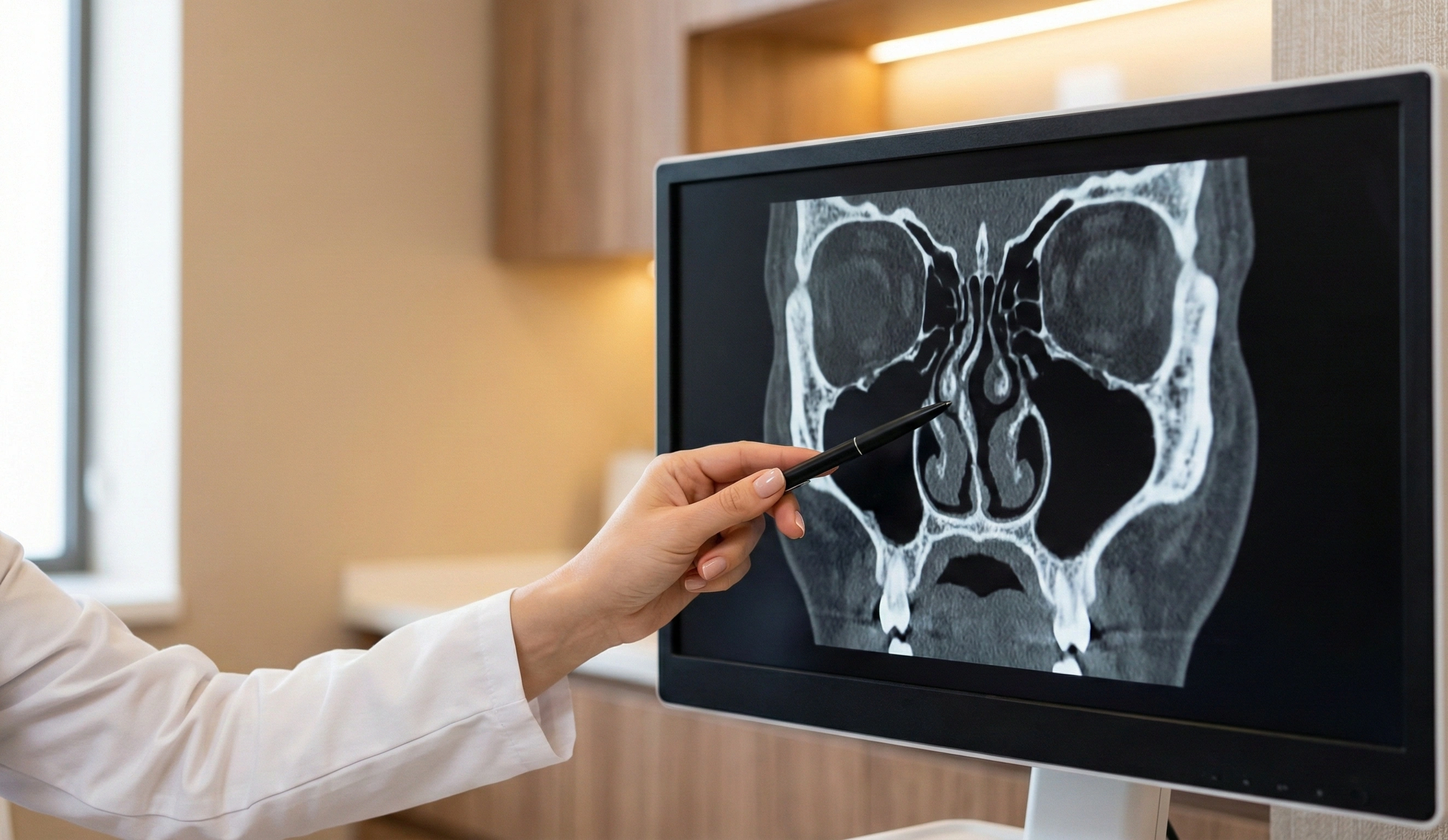
Precise visualization of internal nasal problems (deviated septum, polyps, turbinates) via camera.

02

Functional Surgery

Septoplasty — Correction of the nasal septum and full opening of the airway.

03

Tampon-Free Approach

Maximum comfort with modern breathable silicone splints instead of old cloth tampons.

04

Full Recovery

Return to normal life and work routine in just a few days.

Frequently Asked Questions

Will my nose shape change?
No. Functional surgery (Septoplasty) only corrects the internal septum deviation. The external appearance of the nose remains exactly the same. If you also want a shape change, it must be performed together with Rhinoplasty.
Are tampons used?
No, we use breathable silicone splints instead of classic tampons. This allows you to breathe immediately after the operation and removal is painless.
When can I return to work?
Recovery after functional surgeries is faster. Usually, you can return to work life after 3-4 days.
How long does a deviated septum (septoplasty) surgery take?
A septoplasty typically takes between 30 to 45 minutes, depending on the severity of the septal deviation. It is performed under general or local anesthesia and is completely painless.
Can chronic sinusitis return after FESS surgery?
FESS (Functional Endoscopic Sinus Surgery) effectively clears blocked sinus passages and restores natural drainage. However, in patients with severe allergic backgrounds or if post-operative care recommendations are not followed, mucosal swelling or polyps may recur.
Can nasal turbinates be reduced without cutting them?
Yes. In modern ENT practice, turbinates are not excised. Instead, radiofrequency (RF) ablation is used to shrink them. This minimally invasive method restores airflow without bleeding or requiring nasal packing.
When will I breathe normally after functional nasal surgery?
You will feel an immediate improvement after the silicone splints are removed (typically 3-4 days post-op). As internal swelling subsides and minor crusting clears over the next 2-3 weeks, your breathing will reach its optimal state.
Can a deviated septum cause headaches or chronic fatigue?
Yes. A deviated septum restricts airflow, decreasing oxygen intake during sleep and daily activities. This often leads to poor sleep quality, chronic morning headaches, daytime fatigue, and difficulty concentrating.

Start Breathing Freely

Book a Consultation with Dr. Aysel Hasanova

Contact via WhatsApp

Frequently Asked Questions (FAQ)

How is deviated septum surgery performed?

Septoplasty is performed under general anesthesia and takes about 45-60 minutes. Incisions are made inside the nose, so there are no scars on the face.

What is the recovery time after functional ENT surgery?

Most patients can return to normal daily life and work 1 week after surgery. Nasal silicone splints are usually removed after 3-5 days.

Can concha hypertrophy recur?

Concha surgery usually provides permanent results, but in rare cases of severe allergic rhinitis, partial recurrence may occur after many years.