AZ | EN

Blepharoplasty (Eyelid Surgery)

Restoring Youthful Eyes: Blepharoplasty

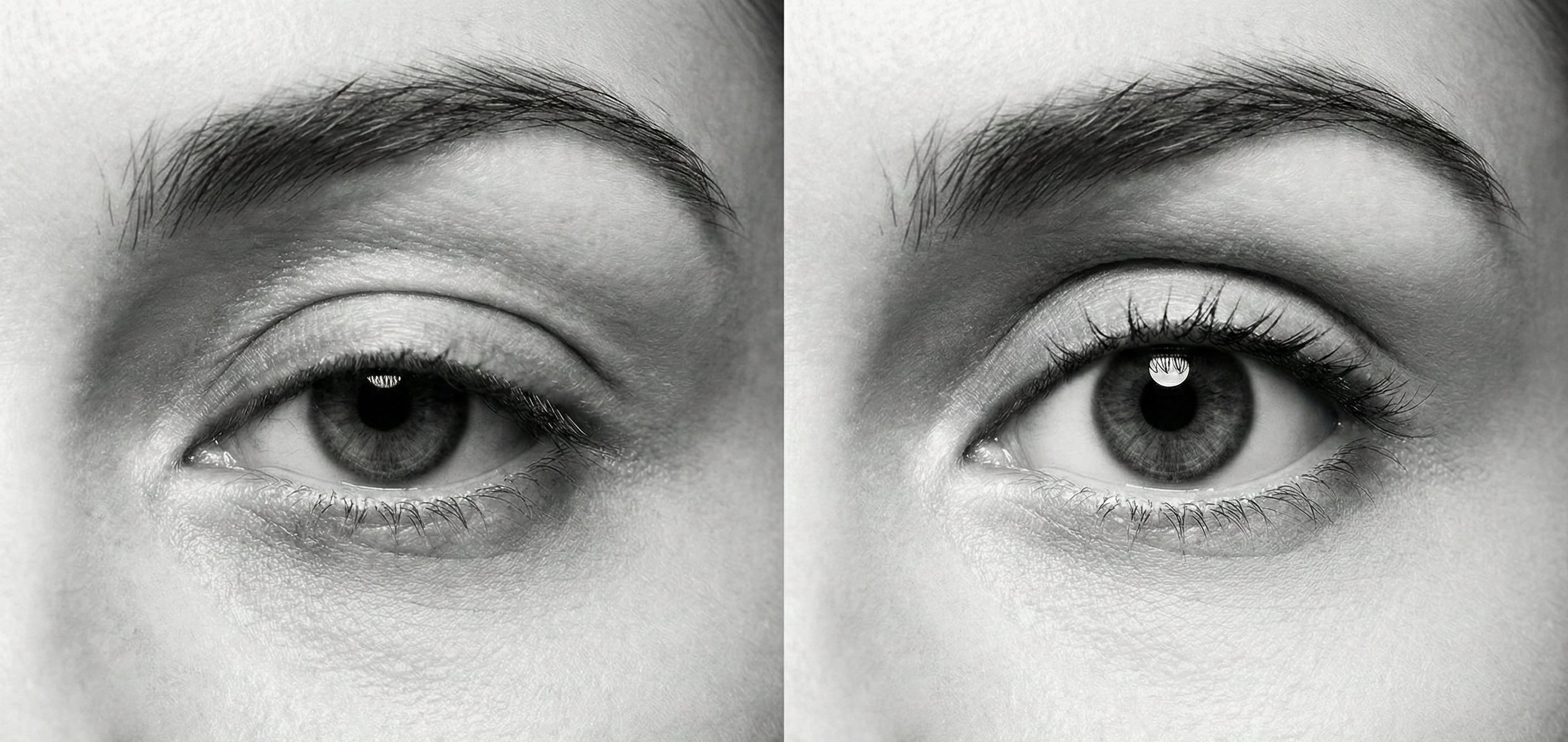
Droopy eyelids and under-eye bags can make you look older and more tired than you actually are. This is not just an aesthetic issue, but sometimes a functional concern that narrows your field of vision.

Blepharoplasty is a highly specialized aesthetic procedure that corrects excess and fat pads around the eyes, brightening your gaze, enhancing eye contact, and bringing immediate freshness and vitality to your face.

Blepharoplasty Process

Patient Journey

01

Aesthetic Analysis

Measurement of eye incision and personalized planning.

02

Fine Incision

Incisios hidden in natural eyelid creases, virtually invisible.

03

Fat Pads

Smoothing of under-eye bags and removal of the tired expression.

04

Scarless Healing

Fast and scarless recovery thanks to special aesthetic sutures.

Frequently Asked Questions

Can it damage my vision?
This is a common misconception. Blepharoplasty is performed only on the skin and fat tissue around the eyes, without touching the eyeball itself. It has no negative effect on vision; on the contrary, it expands the field of vision.
Will there be scars?
No, since incisions are hidden in the natural folds of the eyelid (upper) or below the lashes (lower), they become almost invisible after healing.
When can I return to work?
Usually, stitches are removed after 5-7 days, and you can comfortably return to work.

Get a younger and more vibrant look.

Book a Consultation with Dr. Aysel Hasanova

Contact via WhatsApp

Frequently Asked Questions (FAQ)

Does Blepharoplasty leave scars?

The incisions on the upper eyelid are made in the natural fold, and on the lower eyelid right at the lash line, so scars are almost invisible after healing.

Does eyelid surgery affect vision?

No, the surgery is only performed on the skin and fat tissue of the eyelids. It has no effect on the eyeball or optic nerves.

How long is the recovery time?

Bruising and swelling usually subside within 1 week. Stitches are removed after 5-7 days, and the patient can return to normal life.